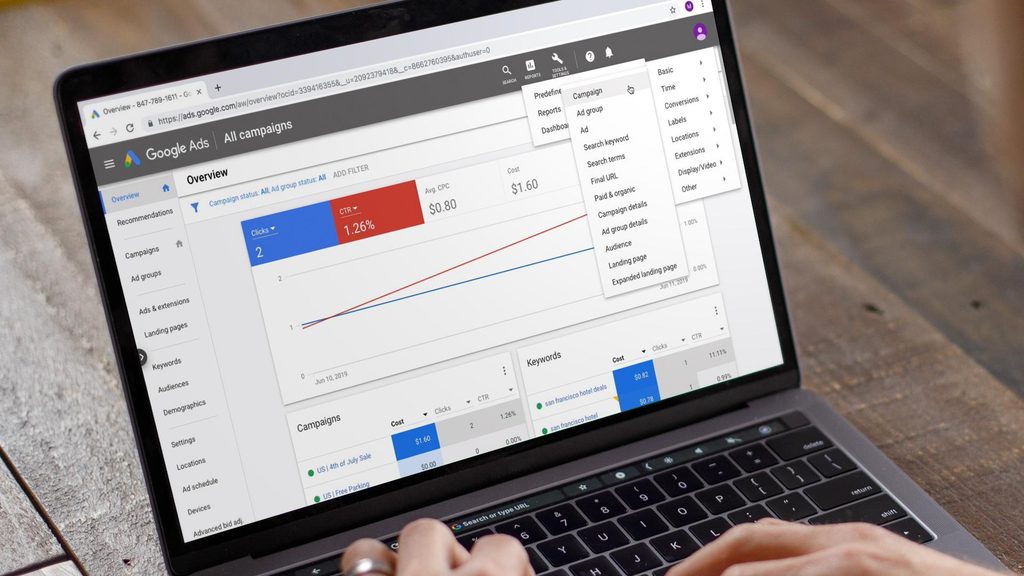
Google Ads and Paid Advertising: A Complete Guide for Beginners in 2026
In today’s competitive digital world, businesses need effective ways to reach potential customers online. Google Ads and paid advertising allow businesses to promote their products and services to relevant audiences and generate traffic, leads, and sales.
Unlike organic marketing methods that may take time to build visibility, paid advertising can help businesses reach people through targeted campaigns. However, successful advertising requires proper planning, audience research, budget management, and continuous optimization.
In this guide, we will explain Google Ads, the different types of paid advertising, their benefits, and how beginners can get started.
What Is Google Ads?
Google Ads is an online advertising platform that allows businesses to display ads across Google’s advertising network. Depending on the campaign type, ads may appear in Google Search results, on YouTube, and across other eligible placements.
Businesses can create campaigns based on their goals, such as attracting website visitors, generating leads, increasing sales, or promoting brand awareness.
For example, a digital marketing agency may run a Search campaign targeting people searching for “social media marketing services” in its service area.
What Is Paid Advertising?
Paid advertising is a marketing method in which businesses pay to promote their products, services, or content through advertising platforms.
Popular paid advertising platforms include:
- Google Ads: Reach people searching for products and services or viewing eligible content.
- Meta Ads: Advertise across Facebook, Instagram, and other Meta placements.
- YouTube Ads: Promote videos and brand messages to relevant audiences.
- LinkedIn Ads: Reach professionals and businesses for business-to-business marketing.
The right platform depends on your target audience, business goals, budget, and the type of product or service you offer.
Benefits of Google Ads and Paid Advertising
1. Reach Potential Customers
Paid campaigns can help businesses reach people based on their search intent, interests, location, or other available targeting options.
2. Generate Leads and Sales
Businesses can direct interested users to landing pages where they can call, submit an enquiry, book a service, or make a purchase.
3. Control Your Advertising Budget
Advertisers can set campaign budgets and monitor spending. However, costs and results depend on competition, targeting, bidding, and campaign performance.
4. Measure Campaign Performance
Advertising platforms provide reporting tools to help you track impressions, clicks, conversions, and other metrics.
5. Test Different Marketing Approaches
Businesses can experiment with ad messages, keywords, images, audiences, and landing pages to discover which approaches perform best.
Types of Google Ads Campaigns
1. Search Ads
Search ads can appear when users search for relevant terms on Google. They are particularly useful for reaching people actively looking for a product or service.
Example: An ad for “SEO services for small businesses.”
2. Display Ads
Display campaigns can show visual advertisements across eligible websites and apps. They can help businesses build awareness and reconnect with relevant audiences.
3. Video Ads
Video ads can appear on YouTube and other eligible placements. They are useful for product demonstrations, tutorials, brand storytelling, and promotional videos.
4. Shopping Ads
Shopping campaigns can display product information, images, and pricing for eligible retailers. They are especially relevant to online stores.
5. Performance Max Campaigns
Performance Max uses Google’s automation to serve ads across eligible Google channels from a single campaign, based on the advertiser’s goals and provided assets.
The best campaign type depends on your business objectives and the resources available.
How to Get Started With Google Ads
Step 1: Define Your Goal
Decide what you want your campaign to achieve. Your goal might be website enquiries, phone calls, online sales, or brand awareness.
Step 2: Research Relevant Keywords
For Search campaigns, identify the terms your potential customers are likely to use. Choose keywords that match the services or products you actually offer.
Step 3: Set Your Budget
Choose a budget that your business can afford to test and monitor. Start with a manageable amount and evaluate results before increasing spending.
Step 4: Write Clear Ad Copy
Explain what you offer, why it is useful, and what the user should do next. Include a relevant call to action such as “Request a Quote” or “Learn More.”
Step 5: Create a Relevant Landing Page
Ensure the page matches the message in your ad. It should load properly, work well on mobile devices, provide useful information, and make the next step clear.
Step 6: Track Conversions
Set up conversion tracking for meaningful actions such as completed enquiries, purchases, or qualified calls. This helps you understand whether your advertising is delivering business value.
Step 7: Monitor and Optimize
Review search terms, clicks, conversions, costs, and landing-page performance. Pause ineffective approaches carefully and improve campaigns using reliable data.
Google Ads vs SEO: What Is the Difference?
Google Ads and SEO can both help people discover your website, but they work differently.
Google Ads: You pay to run advertising campaigns, and ads can appear while your campaigns are eligible and active.
SEO: You improve your website and content to earn visibility in organic search results over time.
Google Ads can be useful when you want to test demand or reach customers quickly, while SEO can support longer-term organic visibility. Many businesses use both as part of a broader digital marketing strategy.
Common Paid Advertising Mistakes to Avoid
- Running ads without a clear goal.
- Targeting irrelevant keywords or audiences.
- Sending visitors to an unrelated landing page.
- Ignoring conversion tracking.
- Spending the entire budget without reviewing performance.
- Making decisions based only on clicks instead of meaningful business results.
- Expecting guaranteed sales or immediate profits.
Careful planning and regular monitoring can help reduce wasted spending and improve campaign effectiveness.
Conclusion
Google Ads and paid advertising can help businesses reach potential customers, generate leads, and promote products or services online. To get better results, define clear goals, select the right campaign type, target relevant audiences, create useful landing pages, and track conversions.
Remember that paid advertising does not guarantee sales. Its success depends on the quality of your offer, campaign setup, competition, budget, and customer experience.
Want to grow your business online? Explore Digisiddhant’s digital marketing services to learn how paid advertising, SEO, and social media marketing can support your business goals.